
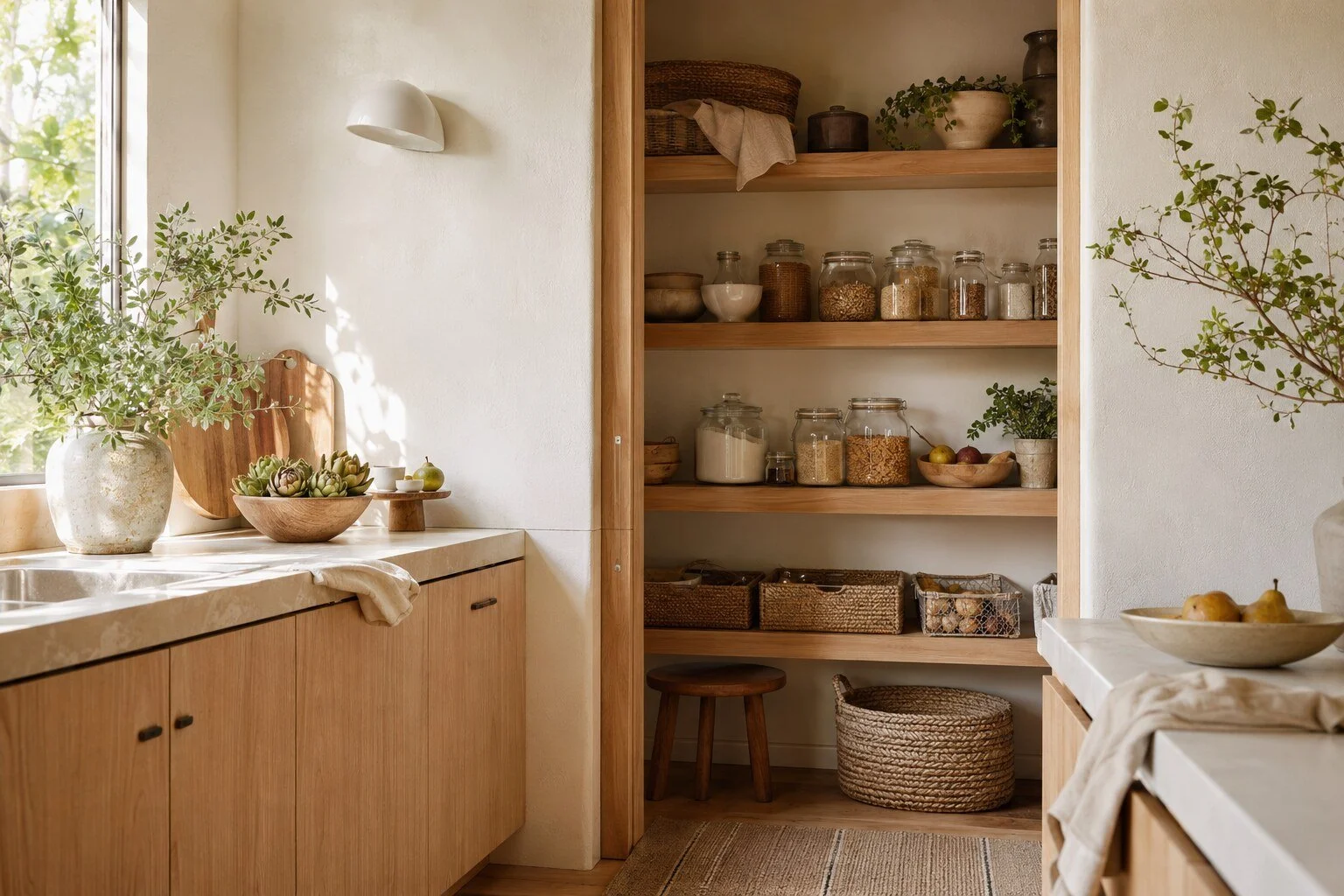
How to Get Organized and Stay Organized: 10 Practical Tips
Getting organized is not about creating a perfect home. It is about making everyday life easier.
The most successful organizing systems reduce the number of decisions you need to make, give frequently used items an obvious home and feel realistic for everyone who lives in the space.
If clutter keeps returning or you are unsure where to begin, these ten practical strategies can help you create meaningful, maintainable change.
1. Start With the Space Creating the Most Stress
Trying to organize your entire home at once can quickly become overwhelming. Instead, choose one contained space that regularly disrupts your day.
It might be the entryway where bags and shoes collect, the kitchen counter covered in paperwork or the closet that makes getting dressed more difficult.
Starting with a high-impact area allows you to see and feel the benefits of organization quickly.
2. Remove Before You Organize
Before arranging or containing anything, take time to remove what you no longer need.
Work through one category at a time and decide what you want to keep, donate, recycle, relocate or discard. Keeping these decisions simple will help the process move forward.
Organizing belongings you do not use only creates more work and makes your new systems harder to maintain.
3. Group Like Items Together
Gathering similar belongings into categories helps you understand what you own and makes it easier to find what you need.
Keep baking supplies together, create one location for household tools and designate a specific area for school or office supplies.
When related items live together, you are also less likely to purchase duplicates.
4. Give Every Category a Clear Home
Clutter often develops when belongings do not have an obvious place to go.
Choose a specific home for each category based on where and how it is used. The easier an item is to put away, the more likely the system will last.
If a category does not fit comfortably in its assigned space, consider editing it further rather than squeezing in more storage.
5. Store Items Based on How Often You Use Them
Frequently used belongings should be the easiest to reach.
Reserve prime shelves, drawers and cabinets for the things you use every day. Seasonal, sentimental or occasionally used items can be placed higher, lower or farther away.
This simple principle can make kitchens, closets, garages and storage areas significantly easier to navigate.
6. Make the System Easy for Everyone
An organizing system should make sense to everyone who uses the space—not only the person who created it.
Use broad, recognizable categories and avoid making the system unnecessarily complicated. Labels can help family members identify where things belong and make resetting a space much faster.
The best system is not the most elaborate one. It is the one your household can maintain.
7. Purchase Organizing Products Last
Baskets and containers can be helpful, but they should support your system rather than determine it.
Declutter, categorize and measure your space before purchasing organizing products. This helps ensure that each container has a specific purpose and fits both your belongings and your home.
Whenever possible, use products you already own before adding something new.
8. Build Short Reset Routines
Staying organized does not require spending hours cleaning every week.
A short daily or weekly reset can prevent small amounts of clutter from becoming a larger project. Return items to their designated homes, clear frequently used surfaces and prepare key areas for the next day.
Even ten focused minutes can make a meaningful difference when the underlying systems are working well.
9. Revisit Systems as Life Changes
Your home and routines will continue to evolve. A system that worked several years ago may no longer support your current needs.
Moves, growing children, career changes and other life transitions can all change how you use your space. Instead of abandoning a system that stops working, identify what has changed and adjust it.
Organization should support the way you live now.
10. Ask for Help When the Project Stops Moving
Some organizing projects involve more decisions, time or physical work than expected. This is especially common when preparing for a move, managing a major life transition or addressing years of accumulated belongings.
A professional organizer can create a clear plan, guide decisions and manage the details required to move the project forward.
The process should feel supportive and judgment-free—not overwhelming.
How to Make Organization Last
Sustainable organization comes from creating realistic systems and maintaining them consistently.
Keep categories simple, leave room for new items and edit your belongings before purchasing additional storage. Schedule occasional maintenance sessions and adjust any system that feels inconvenient or confusing.
The goal is not to keep every space picture-perfect. It is to create a home that is easier to use, restore and enjoy.
Ready to Create a Home That Works Better?
Composed Living provides full-service home organizing, decluttering, move management and ongoing support throughout Los Angeles.
Our experienced team creates calm, beautiful systems for the way you really live—without judgment or overwhelm.